By Nicholas Jones, MD, FACS · Double Board-Certified Plastic Surgeon,
Atlanta
Medically reviewed by Dr. Nicholas Jones on
8 minute read
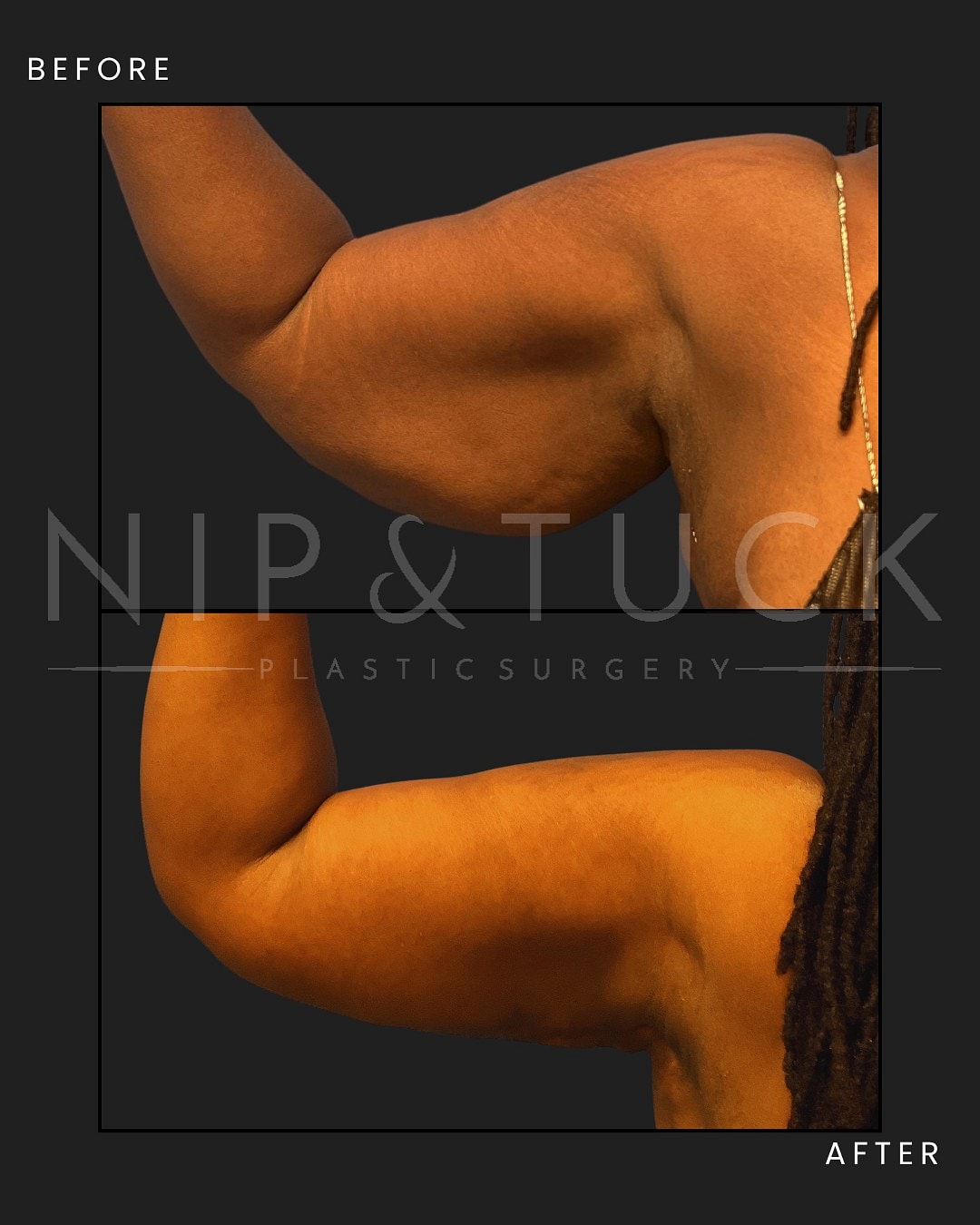
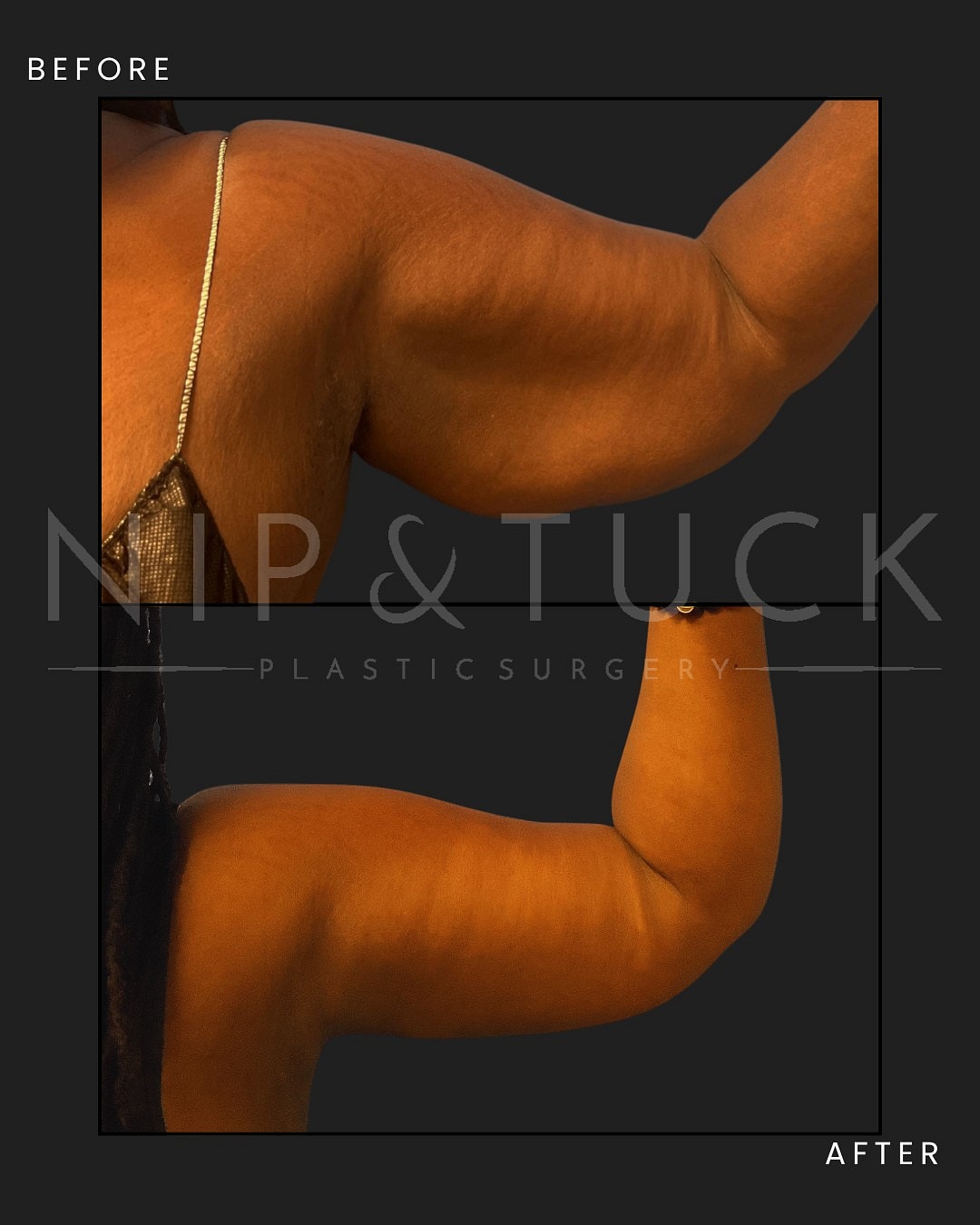
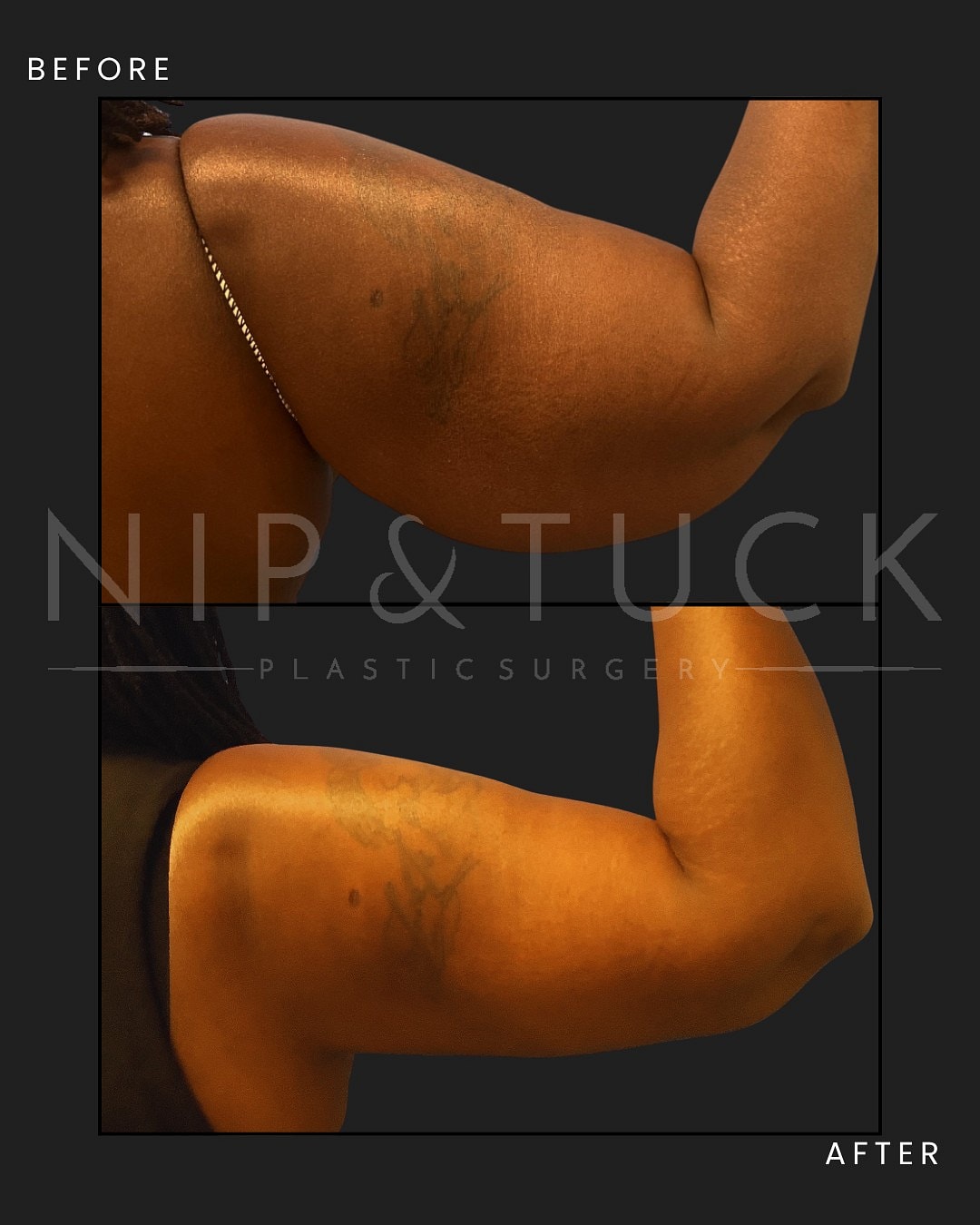
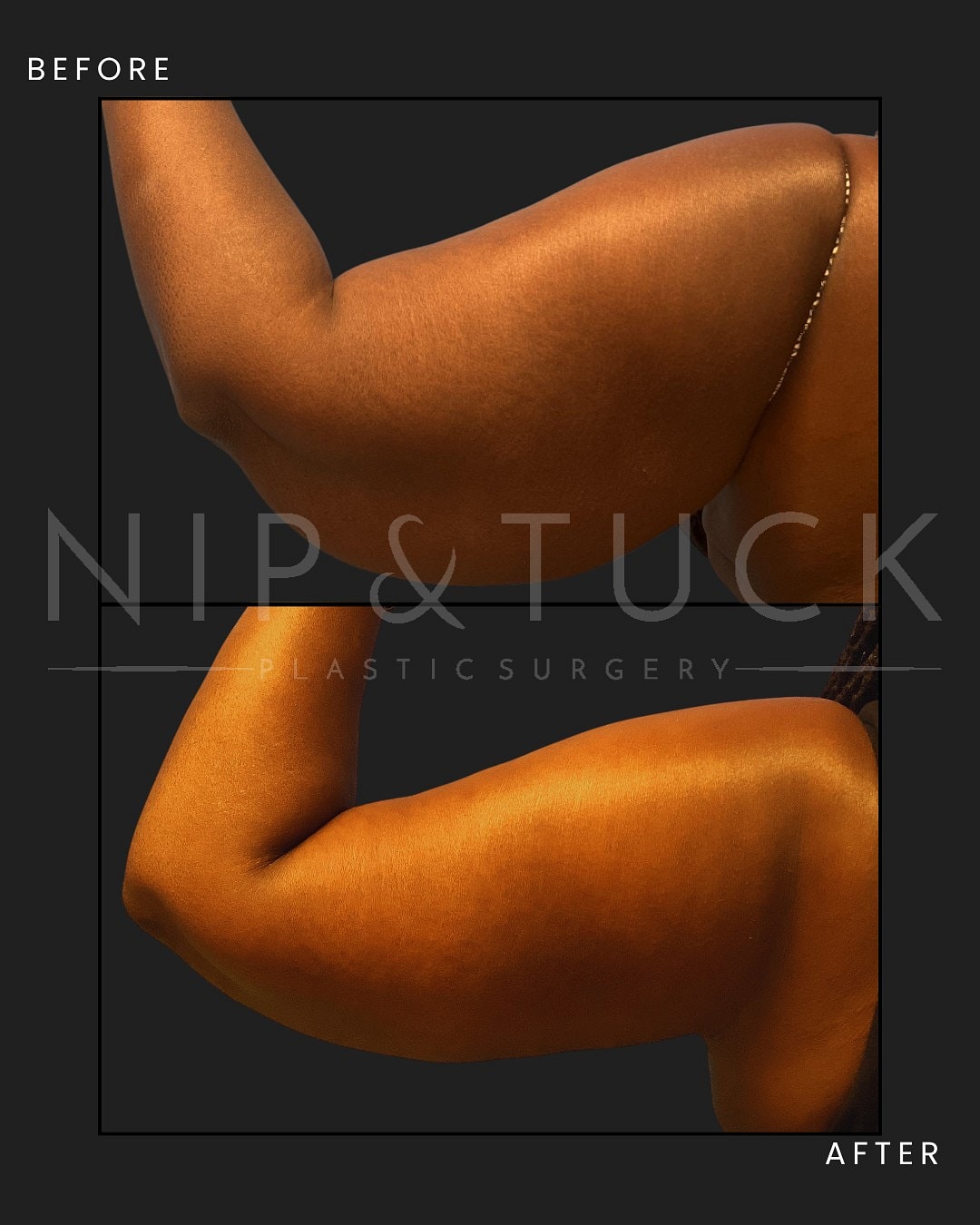
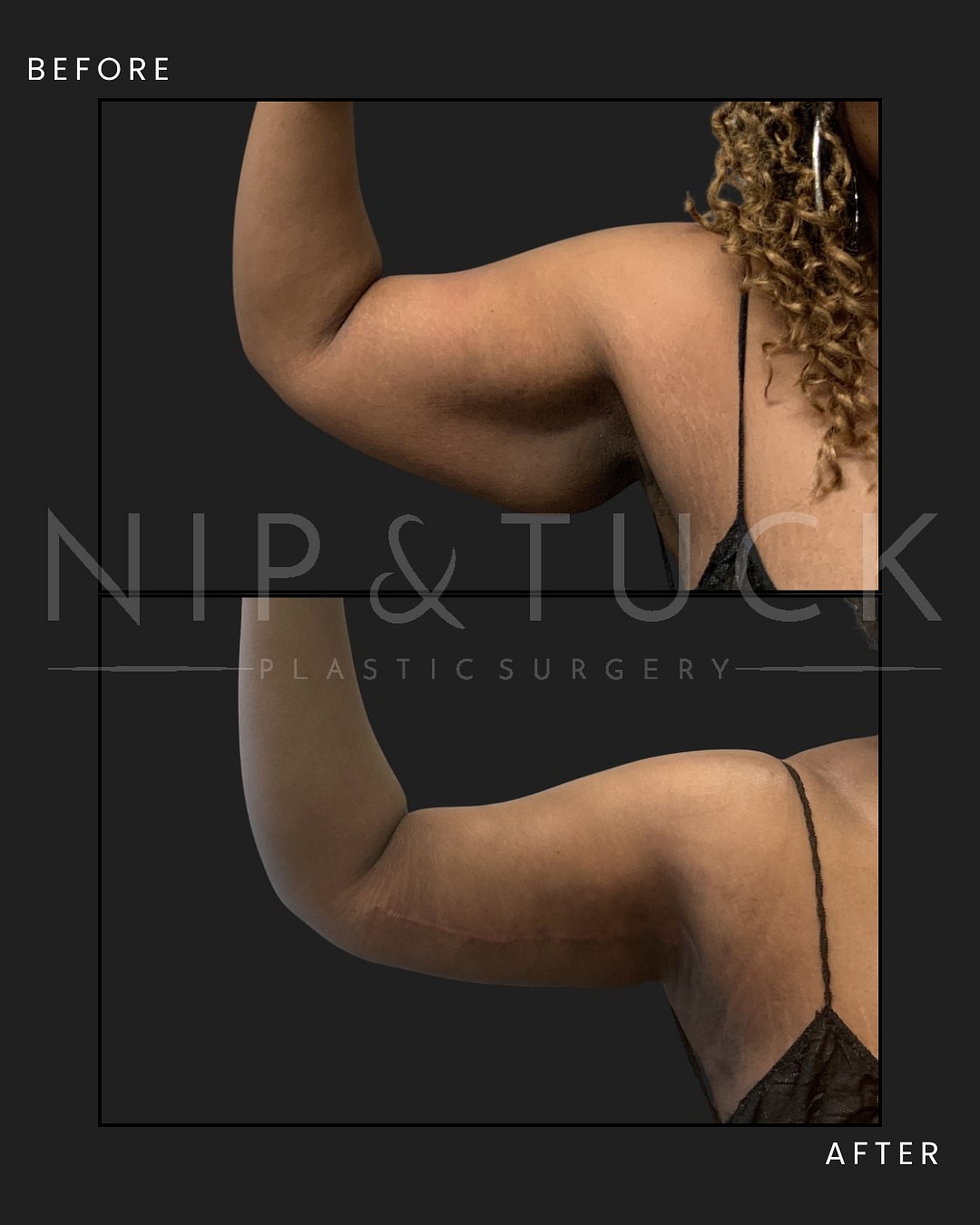
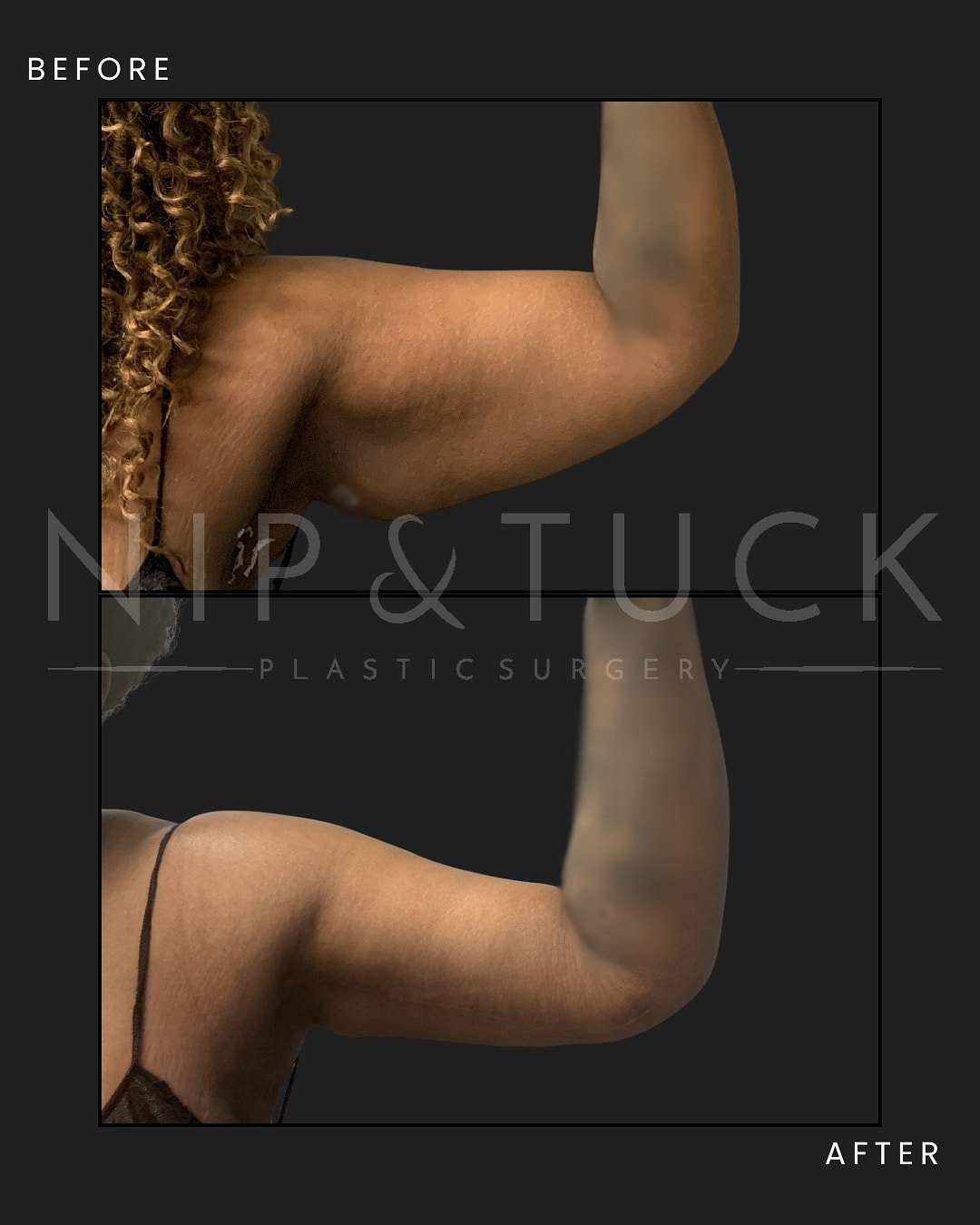
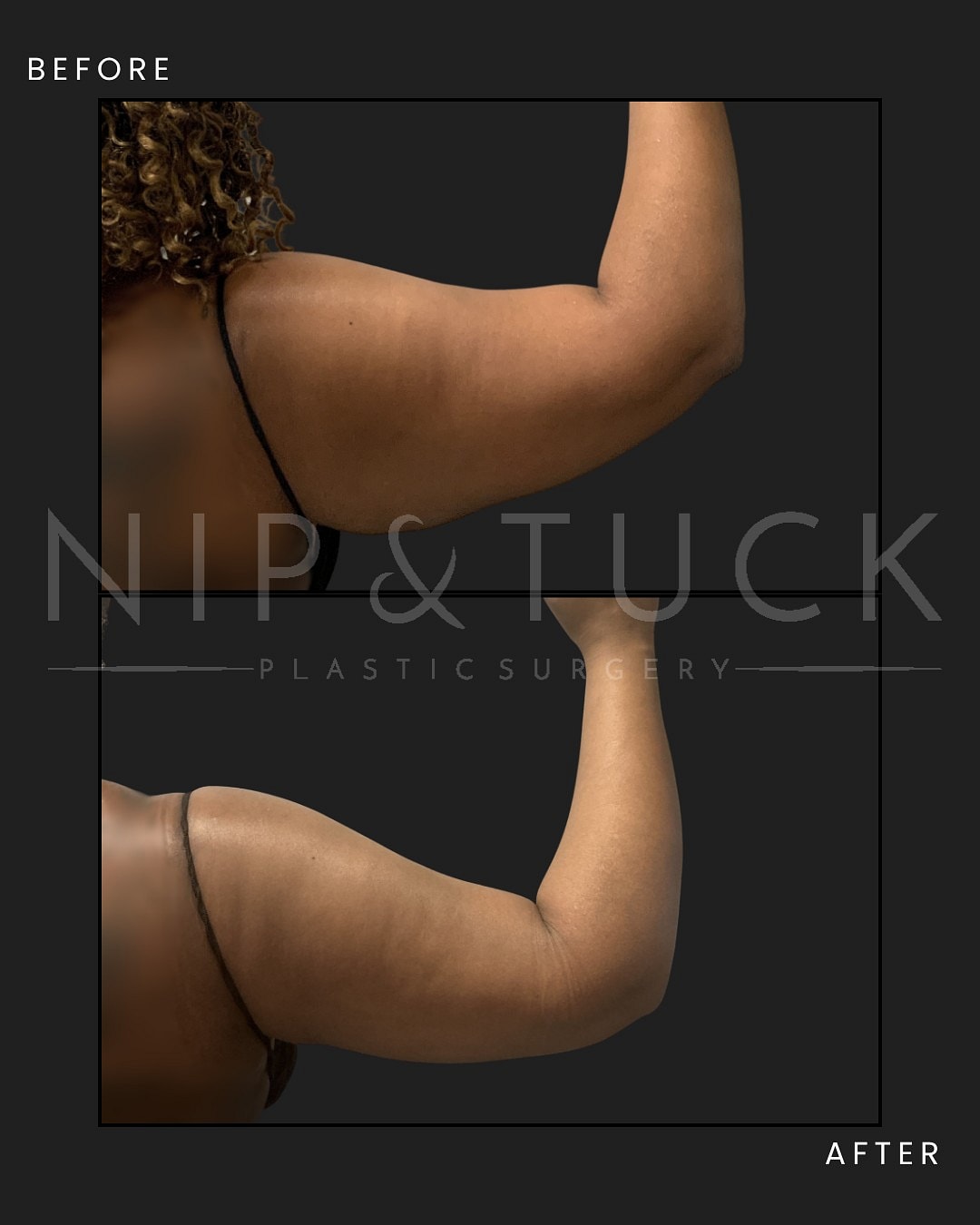
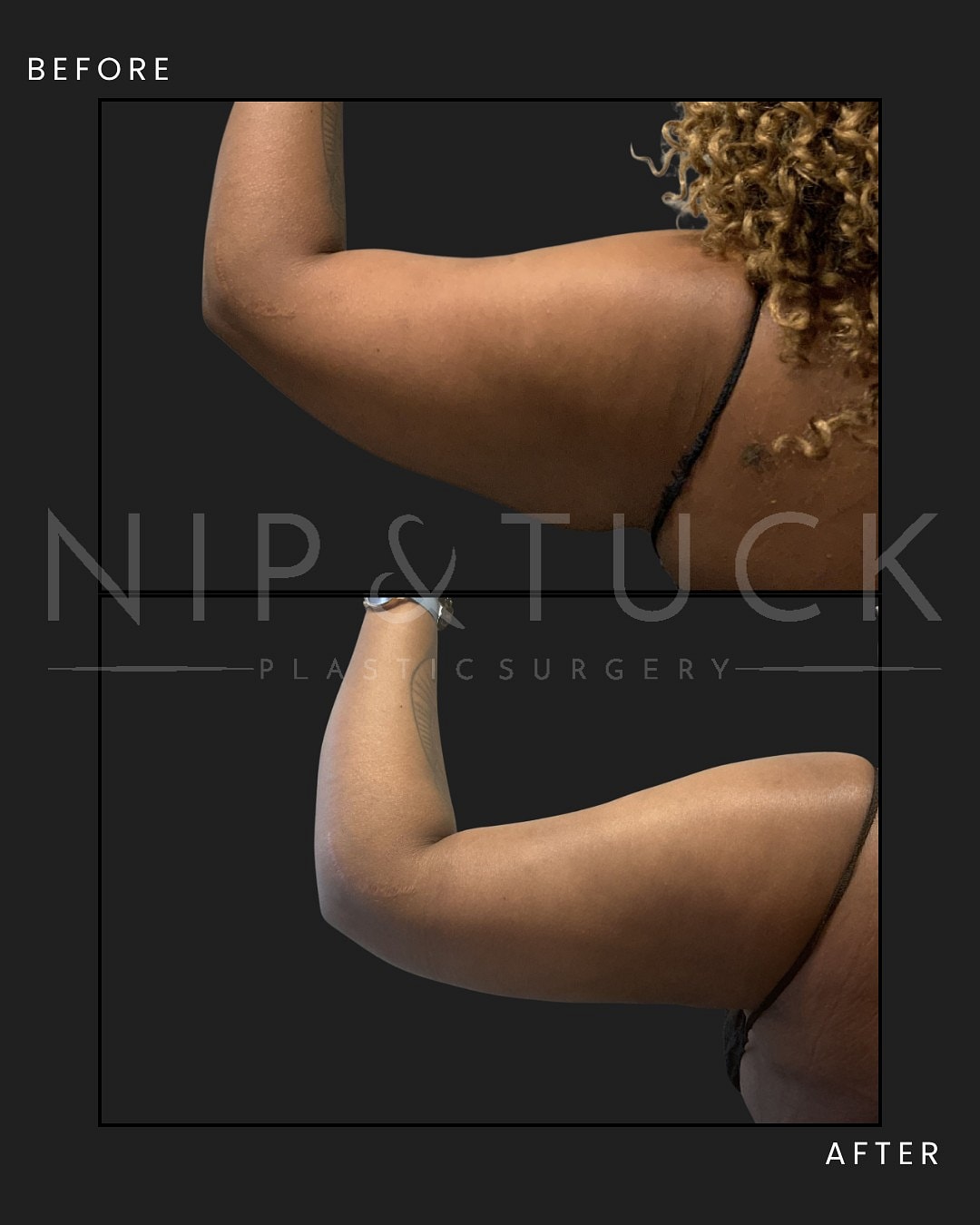
Arm lift scars typically run along the inside or back of the upper arm, starting near the underarm and extending toward the elbow. These scars are permanent, but their color and texture often become less noticeable over time. This process usually takes 12 to 18 months or more, so early recovery photos do not reflect the final result.
If you are thinking about an arm lift, you probably want to know where the scar will be and how visible it might look. The placement of the scar affects when it can be seen, and your body’s healing process affects how it looks as time passes. Both factors help you decide if the change in arm shape is worth the scar.
The incision is made where skin needs to be removed. During an arm lift, or brachioplasty, the surgeon takes out extra skin and fat, then reshapes what remains. If loose skin goes most of the way down your upper arm, the incision usually needs to be that long as well.
Dr. Jones places the arm lift scar on the inner arm, where it's mostly hidden when your arms are at your sides. It can still show when you reach or raise your arms, and no placement makes a scar invisible. How long the scar runs depends on how far down your arm the loose skin goes.
A mini arm lift keeps the scar in the armpit crease, but it only removes skin close to the armpit. When there's moderate loose skin, the scar tends to pull down onto the arm over time and the looseness returns. For that reason, Dr. Jones doesn't perform the mini arm lift.
A standard arm lift leaves a longer scar, but it treats the loose skin where it actually is. After major weight loss, an extended arm lift can continue onto the side of the chest.
Your incision may look closed long before the scar is done healing. Under the skin, collagen is still forming and changing as you heal. This is why scar tissue can feel firm or look more noticeable for a while before it slowly softens. These stages are just general guidelines. Healing can take longer, and different parts of the same incision may heal at different speeds.
Swelling, bruising, and tenderness are normal in the first stage of arm lift recovery. Bandages or surgical tape often cover the incisions, so it is hard to imagine what the scar will look like later. Right now, the main goal is to let the wound heal without disturbance.
Even if the incision looks closed, it isn’t as strong as normal skin yet. Lifting, reaching, or exercising too soon can put stress on the area. Your surgeon will tell you which movements to avoid and when you can safely start them again, depending on your healing.
When scars are new, they may look pink, red, purple, or darker than your skin. They might itch or feel a bit raised. If your scar feels firm in the first few months, it does not mean it will always stay that way.
Taking photos every few weeks can help you see changes that are hard to notice each day. Share these photos with your doctor, especially if a spot seems to be getting thicker instead of softer or flatter.
After a year, some arm lift scars have become flatter and lighter, but others may still be dark, raised, or wide. Scars can take two years or more to fade, so the one-year point isn’t a set deadline for how they will look.
Even as scars fade, they may not match your skin tone exactly. A mature scar can stay lighter or darker than the surrounding skin, and a wide scar may still be visible. Results are different for each person, even with good surgical planning and care.
Your genetics, skin type, wound tension, infections, and slow healing can all change how a scar looks. Smoking and nicotine also reduce blood flow and slow healing. Tell your surgeon if you use nicotine so they can help you prepare before surgery.
Your past scars can give helpful information. Tell your doctor if you have had a cut, incision, or piercing that healed with a thick scar or grew beyond its original size. People with darker skin tones are more likely to get keloids, but skin color alone does not predict how your scar will heal.
Hypertrophic scars are raised but stay within the area of the original wound. Keloid scars grow beyond that area and can keep getting bigger. Both types can itch or feel uncomfortable. If you see a scar getting thicker, ask your doctor to check it instead of trying to figure out the type yourself.
Scar care changes as you recover. In the beginning, your focus is on protecting the incision. Later, you may use treatments to help with firmness, texture, or color. It’s tempting to use products right away, but putting them on open or irritated skin can cause issues.
Your instructions for dressings, cleaning, and activity depend on your surgery and how the incision was closed. Follow your surgical team’s wound-care advice, and wait until your wounds are healed before starting scar treatments. Your personal healing is more important than a set timeline.
You may be given compression garments to help you recover and reduce swelling. Wear them as recommended; making them tighter doesn’t always help. If the garment rubs, irritates your skin, or hurts near the incision, tell your surgical team so they can check the fit.
After your wound is fully closed and your surgeon approves, you can use silicone gel or sheets to help soften and flatten raised scars. These products usually need to be used regularly for several months. If you get a rash or your skin breaks down, stop using them and tell your doctor.
Gently massaging your scar may help soften firm tissue and improve movement after healing. Ask your doctor when to start and how much pressure to use. The massage should not open the skin or cause more pain. Scar creams have different ingredients and levels of proof, and no cream can completely remove a brachioplasty scar.
Sunlight can make scars darker and discoloration more obvious. Keep healing areas covered. After your skin has healed, use a broad-spectrum sunscreen with SPF 30 or higher on exposed areas as your doctor recommends. Continue protecting your scars even after swelling goes down and you return to normal activities.
Contact your surgical team if you see more redness, warmth, swelling, pain, drainage, fever, or if the wound opens. These signs could mean a wound problem. They need medical care, not just another scar product.
If a scar keeps getting thicker, feels tight, or makes it hard to move your arm, have it checked by your doctor. You do not need to wait a year to mention it. Getting concerns checked early is not the same as deciding on surgery.
The best treatment depends on what you dislike about the scar. Steroid injections can help with raised scars, and laser therapy may help with color or texture. Scar removal surgery can improve a problem area, but it creates a new incision that also needs to heal. Surgery cannot remove scars completely.
Dr. Jones may suggest waiting at least 12 months before considering surgery to revise a scar, so it has time to mature. Some nonsurgical treatments can be tried sooner. The timing depends on how your wound has healed, how the scar is changing, and if it is causing any problems.
Liposuction removes extra fat through small cuts, leaving smaller marks than the long scar from an arm lift. It does not remove loose skin. If your skin is elastic and most of the fullness is from fat, liposuction might be a good option to discuss.
If loose skin is your main issue, liposuction alone won’t fix it. Some people need skin removal, with or without liposuction, to improve the arm’s shape. It’s important to know what each option can do before comparing the scars.
When Dr. Jones performs an arm lift, he does full circumferential liposuction of the arm in the same surgery, before removing skin. That reshapes the whole arm, not just the area under the incision.
Before surgery, ask where the incision will be, how visible it might be when you move, and what your past scars say about your healing. When looking at before-and-after photos, check when they were taken and if the patient had extra scar treatments. Photos of people with similar skin tones and arm positions are more helpful, but remember that someone else’s scar cannot predict yours.
Dr. Jones asks that your weight be stable for at least three months before an arm lift. Weight changes after surgery can stretch the skin and affect how the scar heals.
At Nip & Tuck Plastic Surgery in Atlanta, GA, Dr. Nicholas Jones is double board-certified in plastic and general surgery. During your consultation, he’ll examine your skin, review your medical and scar history, and explain where the incision will likely be. Whether you’re a good candidate is decided during the consultation, and results can vary.
As a double board-certified plastic surgeon, Dr. Nicholas Jones combines world-class expertise with personalized care to deliver outcomes that look and feel seamless. From complex body contouring to precise revision work, discover why patients fly from across the country to trust Dr. Jones with their aesthetic goals.